
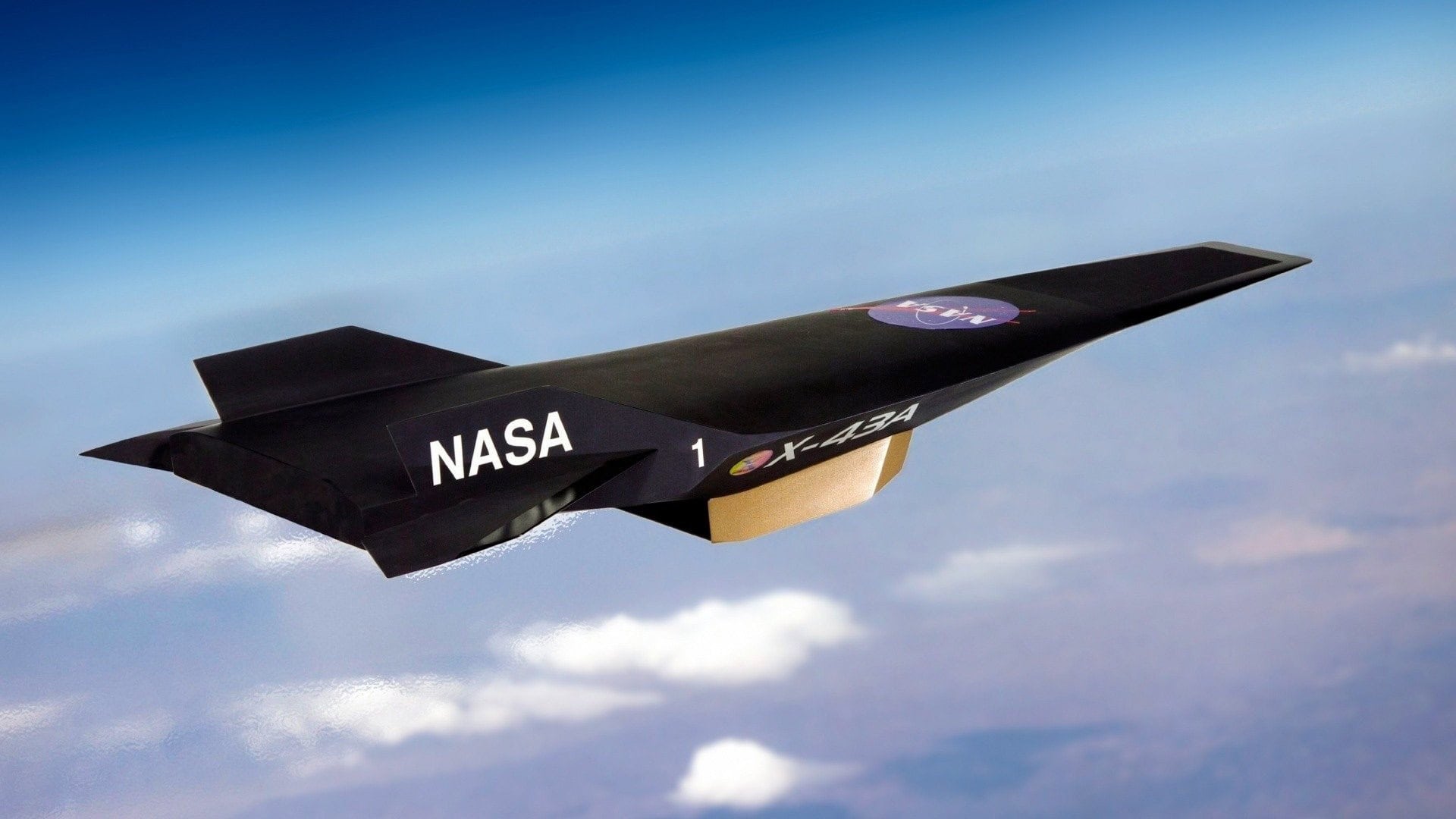
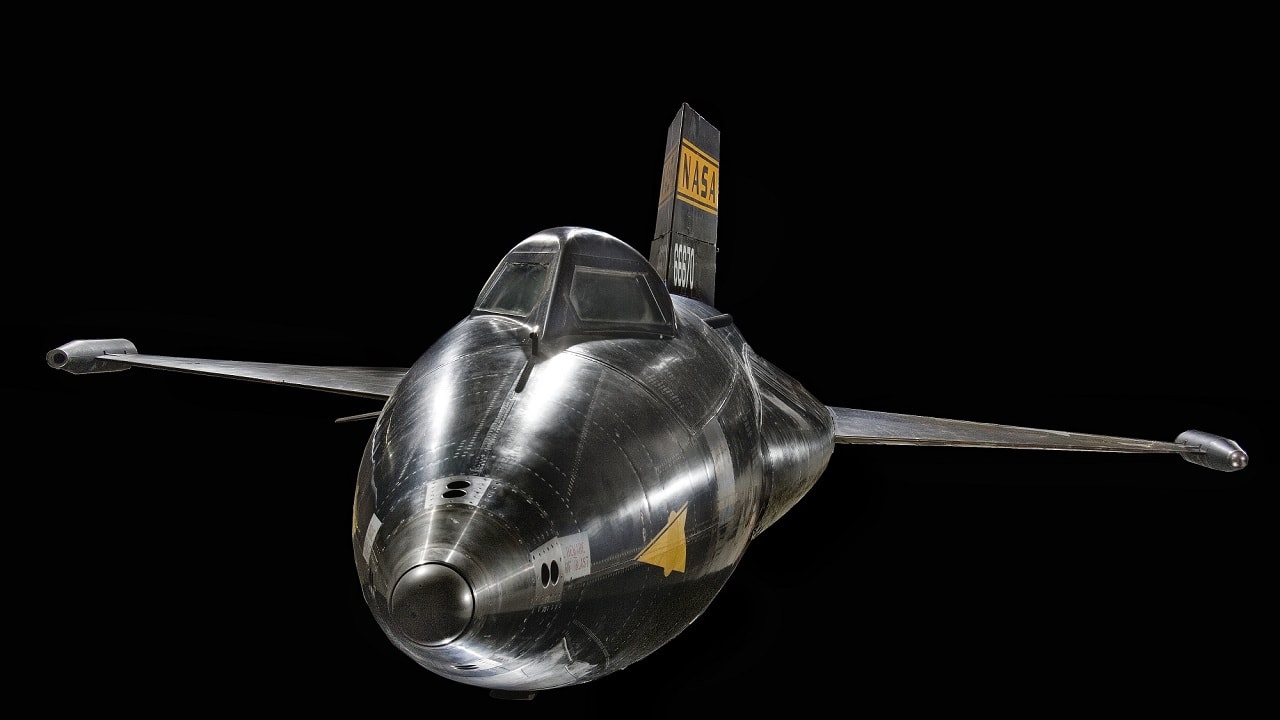
Synopsis: The X-43A Hyper-X was an uncrewed experimental aircraft that utilized a revolutionary hydrogen-fueled scramjet (supersonic combustion ramjet).
-Launched from a B-52 “Mother Ship” and boosted by a Pegasus rocket, the X-43A achieved a record-breaking Mach 9.6 (nearly 7,000 mph) in November 2004.
-Unlike traditional rockets, a scramjet breathes oxygen from the atmosphere, significantly reducing weight.
-Though the program ended before the Mach 15 X-43D could be built, the data on thermal management and hypersonic fluid dynamics continues to inform U.S. boost-glide and cruise missile programs in 2026.
The Mach 10 Ghost: Why the NASA X-43A Still Holds the World Speed Record in 2026
In all the hype surrounding hypersonic missiles and aircraft, some little-known American programs set speed records even though critics have criticized the United States for being behind China and Russia in plus-MACH 5 flight. NASA even had one aircraft that reached a velocity of nearly MACH 10 in the early to mid-2000s.
What Was the X-43A Hyper-X?
The X-43A Hyper-X was a remarkable aircraft. It was launched from a modified B-52 bomber and relied on an air-breathing, hydrogen-fueled scramjet concept that was ahead of its time. The X-43A was unmanned and carried an immensely powerful Pegasus-based booster rocket. This was not your run-of-the-mill test bed. It had qualities that affected the research and development of hypersonic flight and still resonate to this day.
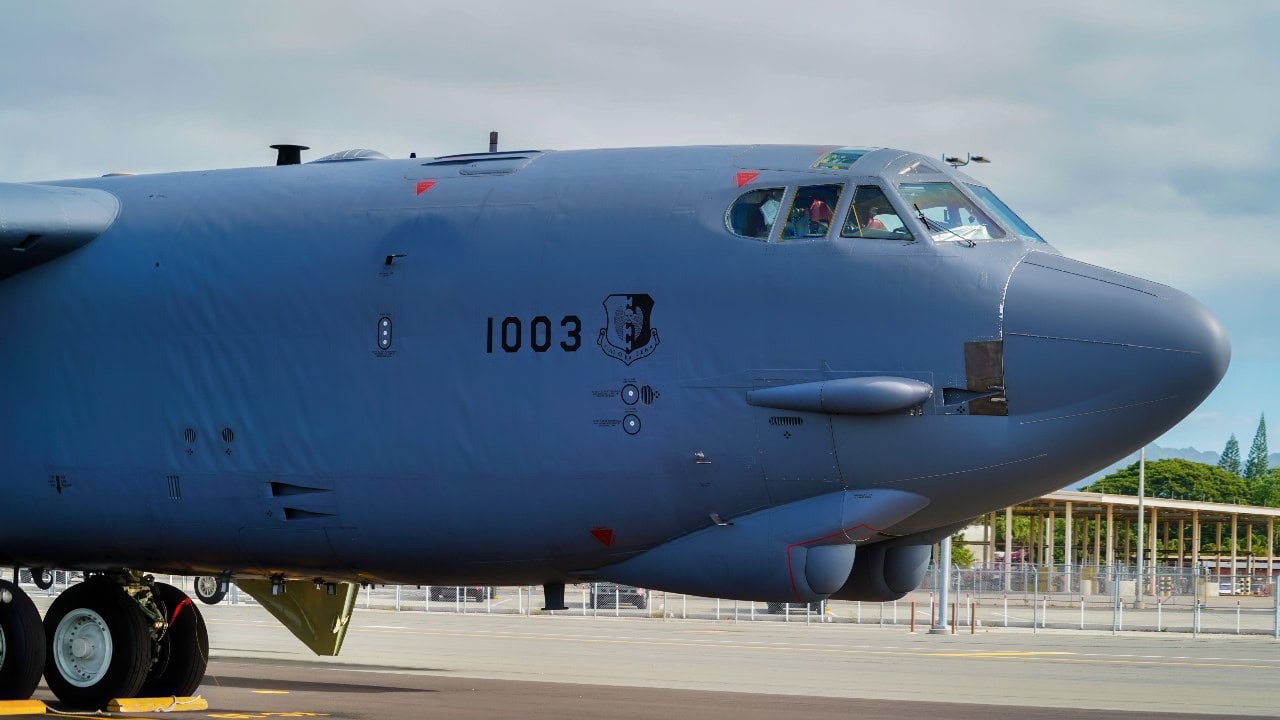
A B-52, assigned to Minot Air Force Base, sits on the flightline at Joint Base Pearl Harbor-Hickam, Hawaii, Nov. 27, 2019. (U.S. Air Force photo by Airman 1st Class Jermaine Ayers)
The Mother of Record High-Speed Flight
While NASA knew that the aircraft would probably never enter mass production, it was still a sight to behold. The space agency collected important flight data to expand knowledge of hypersonic flight, even though the X-43A flew only three times.
NASA had the experience to make this hot rod a reality, but it had to increase its efforts to get it off the ground. Testing was difficult, and there was no guarantee the aircraft would fly that fast.
How Could This Aircraft Be Tested
The X-43A had a “high energy requirement to simulate the mission flight conditions,” which meant fewer ground-test options were available, leading NASA to conclude that “shock tunnel testing was the only option.” Moreover, “short test times only allowed single performance points per run, so no fueling or cowl position transitions were possible.”
Big Budget, Funding, and Time Suck
That was not an optimistic assessment. This X-43A program had many stops and starts before it could reach that unbelievable maximum speed. This was going to generate massive amounts of heat that could not be simulated by even the best computer power and software. And NASA wanted a large $230 million budget from the government to last eight years. Was this program worth the time, resources, and money?
NASA admitted that it had a “high risk-high payoff” outlook on the project. An air-breathing engine had never flown that fast.
Challenging Flight Sequence
What made it more difficult was the separation from the B-52, the ignition of the booster, and then operating at plus-MACH 7. This needed a high level of innovation from the NASA engineers and technicians. They put their best minds on the project and set out to create an aircraft that had never achieved record-breaking speed under this construct.
Engineers Had Their Doubts at First
The first flight was a disaster. The booster rocket lost its connection to the control system, and this destroyed the X-43A mounted to its nose. Was it time to quit? How much more money and time would it take for the next test? The NASA space program had its share of failures in manned flight, but this was an uncrewed aircraft with significant potential. The agency was undeterred and decided to crack on with the program.
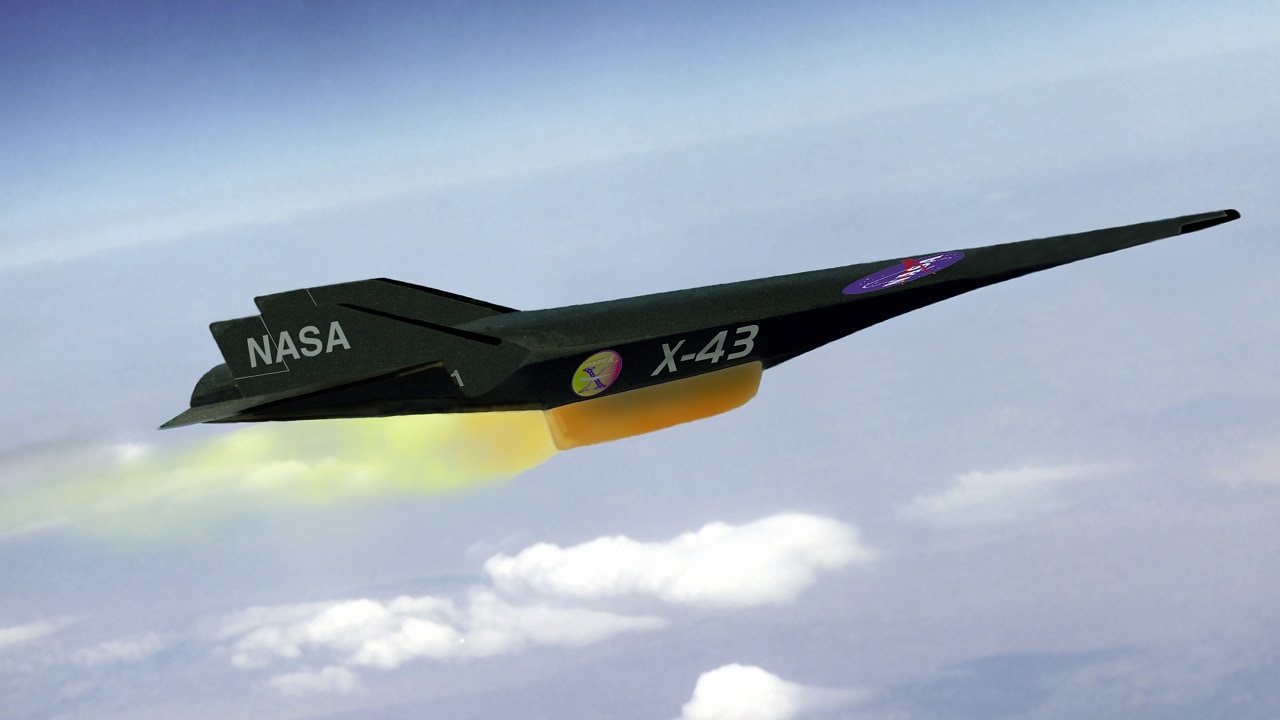
An artist’s conception of the X-43A Hypersonic Experimental Vehicle, or “Hyper-X” in flight. The X-43A was developed to flight test a dual-mode ramjet/scramjet propulsion system at speeds from Mach 7 up to Mach 10 (7 to 10 times the speed of sound, which varies with temperature and altitude).
Shattering the Speed Record
The second flight was successful, and the X-43A reached MACH 7 before diving into the Pacific. But it was the third flight that achieved greatness. Its speed was a remarkable MACH 9.6, setting a Guinness World Record in 2004. Ten times the speed of sound was nothing to sneeze at.
NASA determined that this X-43A was twice as fast as a ram-jet powered missile that could hit MACH 5. NASA had the X-15 rocket plane that could only reach MACH 6.7.
Another aspect of hypersonic flight gleaned from the X-43A program was the need for thermal management. How would new missiles and aircraft respond to the heat generated by the initial booster and high velocity? This was why the project was still considered experimental.
Quick Reflections on the X-43D MACH 15 Concept
But NASA was not finished. Despite the challenges associated with the X-43A, the X-43D concept was also going to hit speeds of MACH 15. NASA’s Next Generation Launch Technology (NGLT) program, working with the Pentagon’s Director of Defense Research and Engineering, set a goal of unheard-of flight.
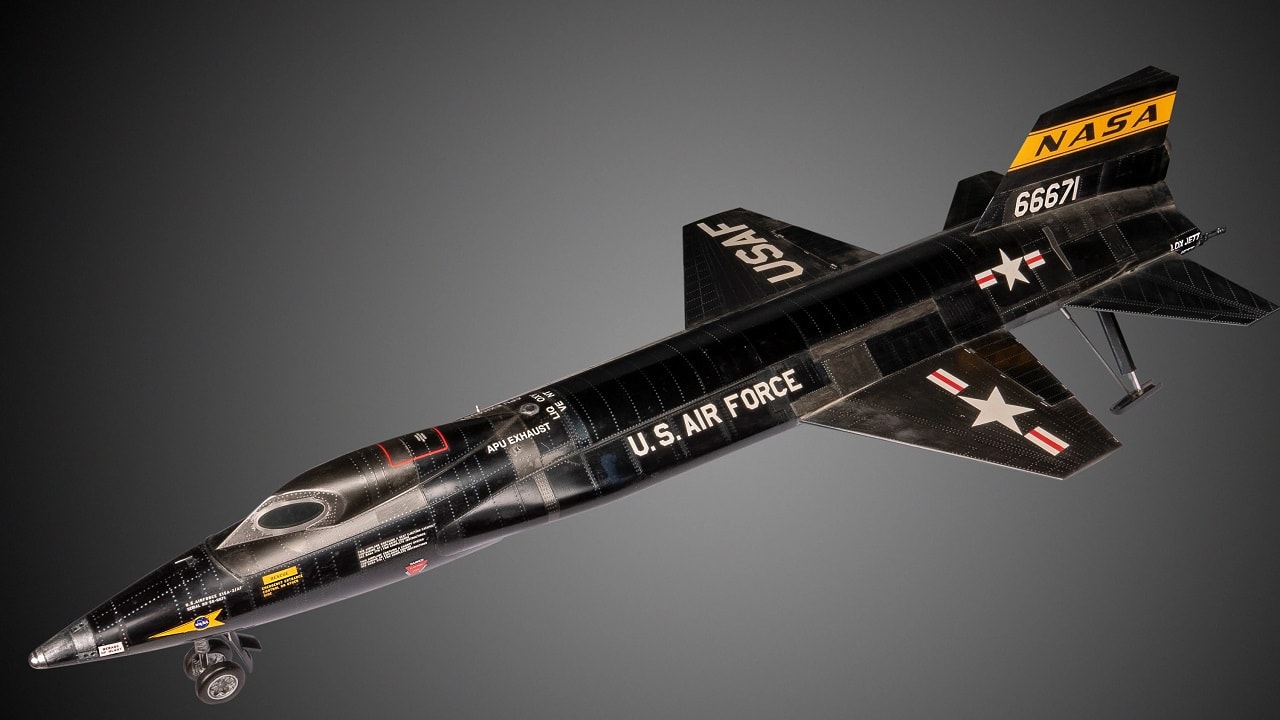
X-15 graphic artist image. Image Credit: Creative Commons.
North American X-15, rocket powered experimental aircraft; black titanium skin with wedge shaped horizontal stablizer; yellow stripe NASA inisignia on tail with stars and red bars United States national insignia on wings; white letter text “U.S. AIR FORCE” on the sides of the fuselage.
The research groups admitted that the MACH 15 X-43D will need “required risk reduction” for future high-MACH scramjet systems. That was a typical government-speak understatement.
This feasibility study was just too risky to attempt the MACH 15 flight.
As 19FortyFive reported, “Timing, budgets, and shifting institutional priorities. The core Hyper-X flights wrapped just as NASA’s broader portfolio was being restructured. NGLT itself was wound down. Hypersonics funding and leadership moved among NASA, the Air Force, DARPA, and, later, the services’ weapons programs. In that churn, X-43D’s status never advanced beyond ‘formulation’; the vehicle was designed and analyzed on paper but never authorized as a full flight program.”
Hyper Fast Aircraft and Hyper Smart Engineers
It’s too bad because this would have set a record that would never have been broken. NASA and DARPA should be given credit for having such foresight and imagination to even conceive of MACH 15 flight.
The Air Force later developed the X-51A Waverider, which achieved a hypersonic speed of MACH 5. Hydrogen-fueled scramjet aircraft became exceedingly rare, and the United States opted to go primarily with boost-glide propulsion instead.
But the X-43A program was an exciting feat for all involved. It showed off American ingenuity and engineering prowess. Too bad the MACH 15 flight was never achieved, but we can point back to the X-43A program as a complete breakthrough in hypersonic flight that will likely never be eclipsed again.
About the Author: Brent M. Eastwood
Author of now over 3,000 articles on defense issues, Brent M. Eastwood, PhD is the author of Don’t Turn Your Back On the World: a Conservative Foreign Policy and Humans, Machines, and Data: Future Trends in Warfare plus two other books. Brent was the founder and CEO of a tech firm that predicted world events using artificial intelligence. He served as a legislative fellow for US Senator Tim Scott and advised the senator on defense and foreign policy issues. He has taught at American University, George Washington University, and George Mason University. Brent is a former US Army Infantry officer. He can be followed on X @BMEastwood.