
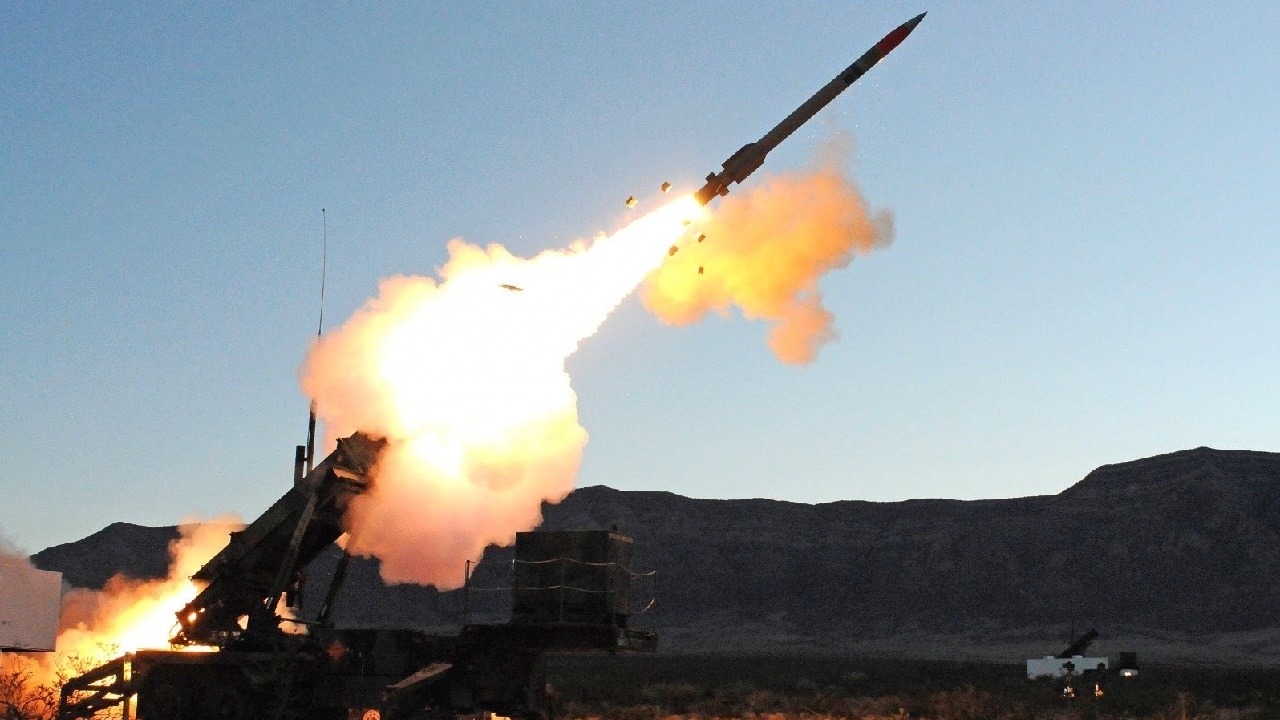
The Independent reported on Monday that the United States has signed a deal with suppliers Lockheed Martin and Northrop Grumman to boost production of Patriot and THAAD missile parts.
This follows weeks of reporting that shortages in stockpiles were beginning to affect U.S. military planning, whether in deciding what to do next in Iran or whether to make promises for weapons deliveries to Ukraine.
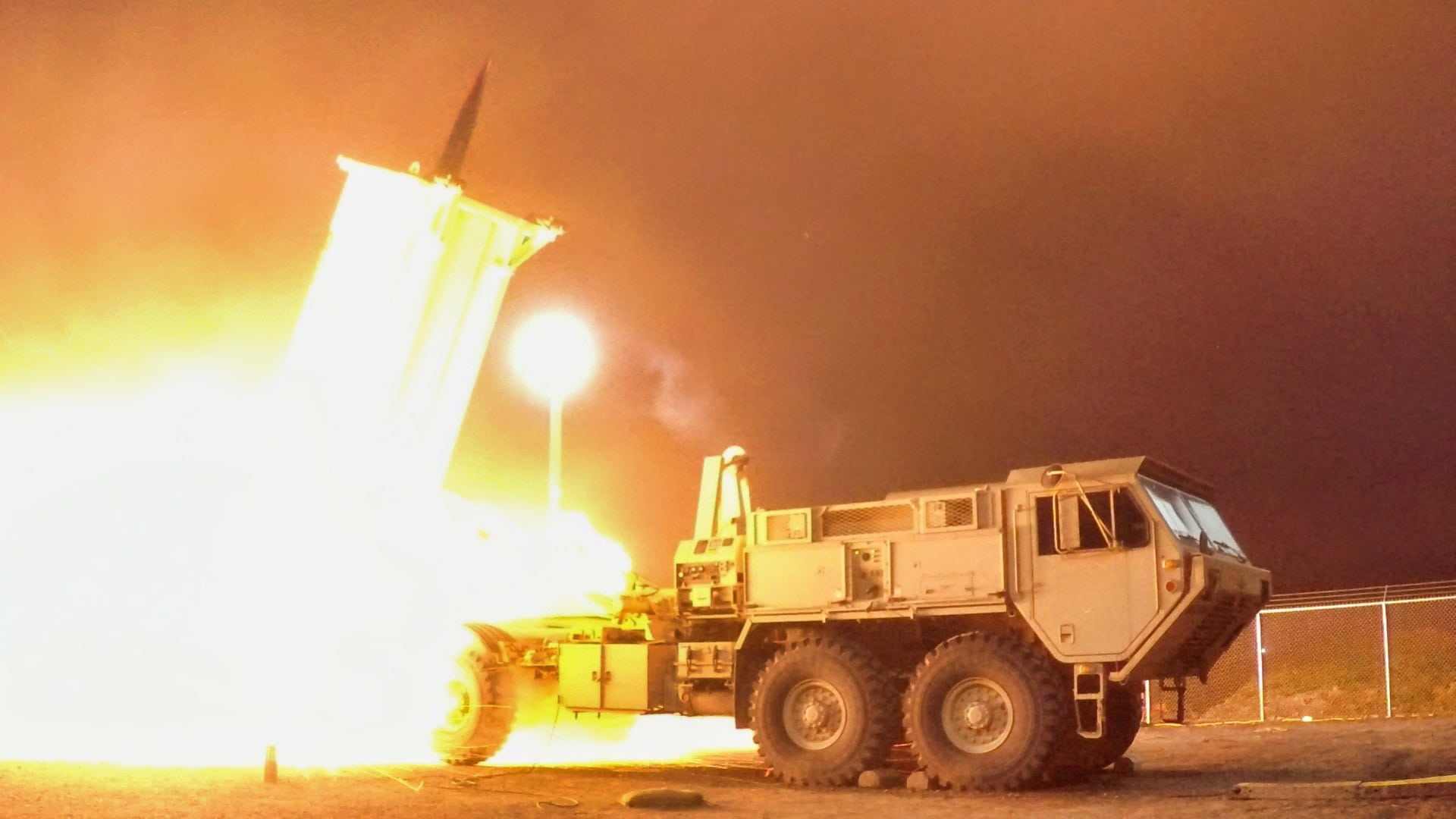
THAAD. Image Credit: Department of Defense.
The Center for Strategic and International Studies, per a Fox News report this week, estimated that U.S. Patriot interceptor inventories had fallen from about 2,300 before the war to under 1,000 now, with THAAD interceptor totals nearly halved.
How bad is the problem? The Atlantic, in a story by Phillips Payson O’Brien, looked at that question this week. The magazine also reported that the U.S. has also blown through a third or more of its stock of Tomahawk cruise missiles since the start of the war with Iran in late February.
The Atlantic noted that, the Monday deal announcement notwithstanding, replenishing stocks would likely take “several years.”
The New Face of War
The Atlantic analysis also noted that the face of war has changed, with drones a growing part of modern warfare, and therefore requiring the U.S. and its allies to use expensive air-defense weapons to take down much cheaper drones.
But it isn’t just about the current wars; it also “sends a worrisome message to allies around the world” that the U.S. might not be able to step in on their behalf in the future.
It also could limit the U.S. options in the Iran war, and if the U.S. were to launch a ground war, “defending those forces could exhaust the remaining stocks of advanced air-defense systems.” And that’s to say nothing of a potential Chinese invasion of Taiwan, or any other long-term potential military commitments that would require air-defense weapons.
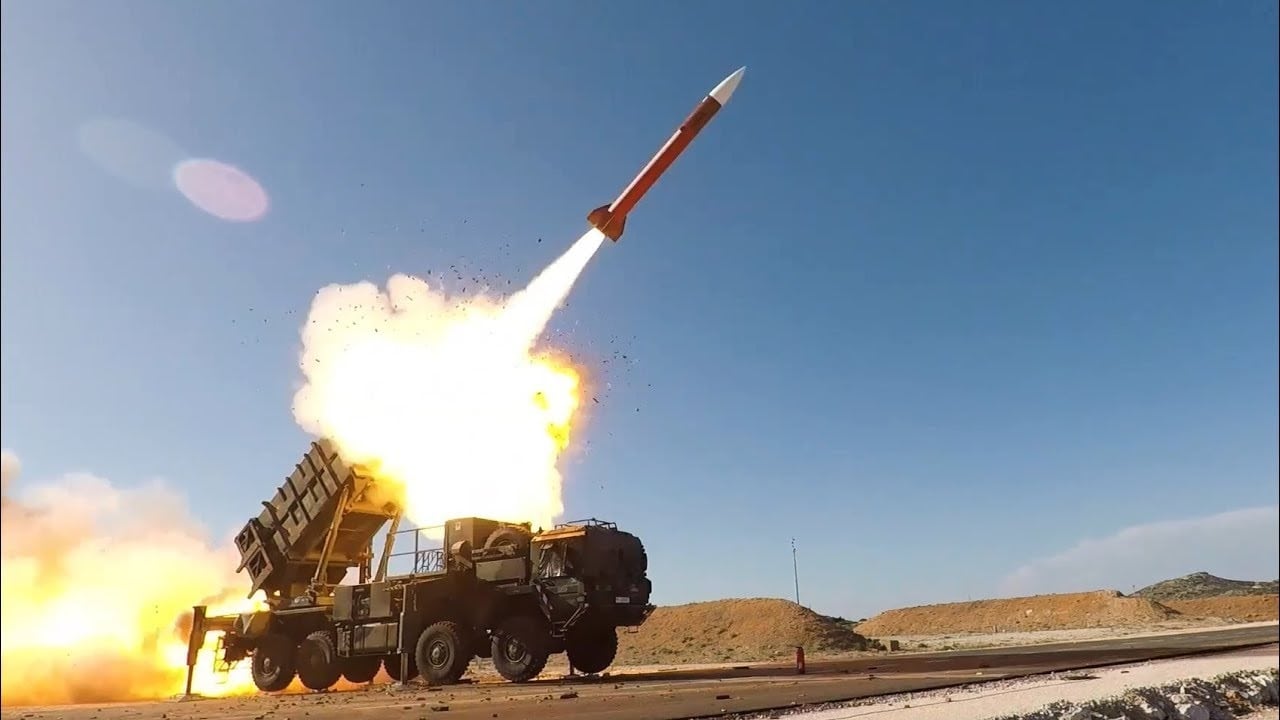
Patriot Missile. Image Credit: Lockheed Martin.
Whose Fault is It?
In recent weeks, the Trump Administration has vacillated between denying there is trouble with the weapons stockpile and, at times, blaming the Biden Administration for any shortage. U.N. Ambassador Mike Waltz, in a single TV interview in June, did both, while also calling for jail time for whoever had leaked information to the press previously about the weapons stockpiles.
The Atlantic piece, however, blamed the stockpile shortage on “a bipartisan neglect of America’s military-industrial productive base over the past three decades,” also noting that the long engagements in Iraq and Afghanistan did not require such stockpiles of those types of weapons.
The Ukraine Lesson
The Atlantic also notes that the U.S. has failed to learn lessons of the Ukraine war, in which the Ukrainian side has learned to develop drones cheaply- a lesson that Iran has learned and applied itself.
“Perhaps in the arrogant belief that a war with Iran would quickly end in a decisive victory, the Pentagon did not have cost-effective systems ready to intercept these weapons,” The Atlantic says, adding that the Gulf nations that are allied with the U.S. in the Iran conflict have not learned that lesson either.
Also on the subject of supplies of Patriots to Ukraine, President Donald Trump has vacillated in recent days about whether he will make Patriot weapons available to that country.
Ukrainian President Volodymyr Zelensky has met with representatives of the companies that make the Patriot missile system, both in Kyiv and Washington.
According to ABC News, Trump had, in late July, offered to grant Ukraine the license during a meeting with Zelensky at the NATO Summit.
Zelensky’s readout of his meeting with Trump at the White House, following Sen. Lindsey Graham’s funeral, said the offer to make Patriot licenses available to Ukraine still stood.
“We’re going to give a license to you to make Patriots. That’s pretty cool, right?” Trump reportedly told his Ukrainian counterpart at the NATO summit earlier in July.
However, by the time of last Friday’s cabinet meeting, the president had backtracked, stating that “we have to be very careful about letting somebody build them.”
Trump also expressed concern that a country that was presented with the missiles could one day turn around and use them against the U.S.
About Stephen Silver
Stephen Silver is an award-winning journalist, essayist, and film critic, and contributor to the Philadelphia Inquirer, the Jewish Telegraphic Agency, Broad Street Review, and Splice Today. The co-founder of the Philadelphia Film Critics Circle, Stephen lives in suburban Philadelphia with his wife and two sons. For over a decade, Stephen has authored thousands of articles that focus on politics, national security, technology, and the economy. Follow him on X (formerly Twitter) at @StephenSilver, and subscribe to his Substack newsletter.